

The Impact of Social Media on Mental Health & How Teen Counseling Can Help
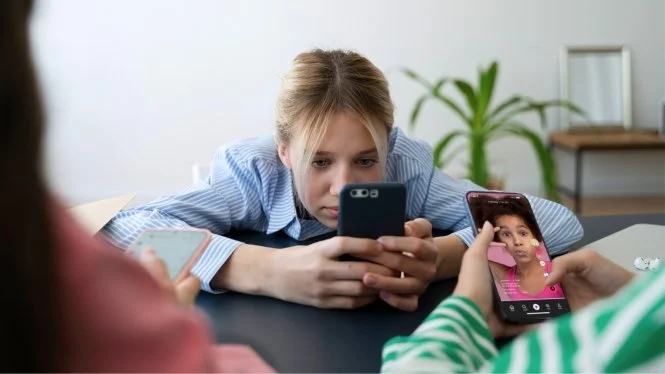
Social media is now a regular part of many teenagers’ lives. Platforms like Instagram, TikTok, and Snapchat allow teens to stay connected with friends, share experiences, and explore their interests. While these platforms can offer positive ways to communicate and learn, many parents and educators are also becoming more aware of the impact of social media on mental health.
Teens may experience pressure to gain attention online, compare themselves with others, or stay constantly connected. Over time, these experiences can affect confidence, mood, and daily habits. Understanding these impacts can help families support teens more effectively and encourage healthier online behavior.
The Impact of Social Media on Teen Mental Health

The key impact of social media on mental health can vary depending on how often teens use it and how they interact online. While social media can help teens connect with others, it can also influence their emotions, confidence, and daily habits.
Some of the most common impacts include:
Low Self-Esteem
Teens with low self-esteem often compare themselves with influencers or peers online. Seeing edited photos and idealized lifestyles can make some teens feel not good enough or like they don't measure up.
Anxiety and Stress
Many teens feel pressure to gain likes, comments, or followers. Worrying about how others respond to their posts can create stress and anxiety.
Fear of Missing Out (FOMO)
Social media can make teens feel like everyone else is having more fun or living a better life. This feeling, known as FOMO, can lead to frustration or sadness.
Cyberbullying
Negative comments, harassment, or online bullying can seriously affect a teen’s emotional well-being and confidence.
Sleep Disruption
Late-night scrolling and constant notifications can interrupt sleep. Poor sleep can affect mood, focus, and overall mental health.
Increased Social Pressure
Teens may feel pressure to look and behave a certain way or keep up with online trends, which can affect how they see themselves.
Although these impacts can be challenging, parents, teachers, and counselors can help teens build healthy social media habits and develop confidence both online and offline. In some cases, noticing early emotional or behavioral changes can help families recognize signs that a teen may need counseling and seek the right support.
How Teen Counseling Can Help

Teen counseling can help young people cope with the emotional challenges linked to social media use. When teens struggle with comparison, pressure, or online criticism, talking with a counselor can provide a safe space to express their feelings and experiences. Through supportive conversations, teens can better understand how social media affects their thoughts, emotions, and behavior.
Counseling also helps teens develop healthier ways to respond to common challenges such as low self-esteem, anxiety, and social pressure. With guidance from trained, professional counselors, teens can learn practical skills that strengthen their confidence and emotional resilience.
Here are some ways teen counseling can help address the key impacts of social media on mental health:
Building Self-Esteem
Counseling services help teens recognize their strengths and develop a healthier sense of self-worth. Instead of comparing themselves to others online, they learn to focus on their own personal growth and achievements.
Managing Anxiety and Stress
Teens can learn coping strategies that help them handle pressure related to likes, comments, and online interactions. Counseling may include techniques that reduce anxiety and encourage healthier thinking patterns.
Handling Fear of Missing Out (FOMO)
A counselor can help teens understand that social media often shows only the highlights of people’s lives. Learning to view online content more realistically can reduce feelings of frustration or sadness.
Addressing Cyberbullying
When teens experience cyberbullying, counseling provides emotional support and guidance. Teens can learn ways to respond safely, protect themselves online, and rebuild confidence after negative experiences.
Improving Sleep and Digital Habits
Counselors can work with teens to develop healthier routines around technology use, such as limiting late-night scrolling and creating balanced daily habits.
Reducing Social Pressure
Counseling encourages teens to develop their own identity and values instead of feeling pressured to follow trends or meet unrealistic expectations online.
With the right support, teens can learn how to use social media in healthier ways while protecting their emotional well-being. Counseling services can help them build confidence, manage stress, and develop a more balanced relationship with technology.
Final Thought
The impact of social media on mental health in teens is becoming more noticeable as social media continues to shape how teenagers communicate, compare themselves with others, and spend their time online. While these platforms can offer connection and opportunities for creativity, they can also create pressure, anxiety, and challenges with self-esteem. Recognizing these impacts early can help parents and caregivers guide teens toward healthier habits and more balanced use of technology. When social media begins to affect a teen’s confidence, emotions, or daily life, teen counseling can provide supportive guidance and practical tools that help teens protect their mental health and develop a healthier relationship with social media.
Support for Teens Struggling With Social Media Stress
At Know Your Worth Counseling, we provide compassionate counseling services that support teenagers facing challenges related to social media pressure, anxiety, self-esteem, and emotional well-being. Our goal is to help teens feel heard, understood, and equipped with healthy coping strategies.
If your teen is experiencing stress related to social media or other emotional challenges, schedule an appointment today to receive supportive guidance and professional care.
FAQs
How does social media affect teen mental health?
Social media can influence how teens see themselves and interact with others. Constant comparison, online pressure, and cyberbullying can affect confidence, increase anxiety, and contribute to emotional stress.
What are the warning signs that social media is affecting a teen?
Common signs include increased anxiety after using social media, withdrawal from friends or activities, sleep problems, constant comparison with others online, and difficulty focusing on schoolwork.
Can social media cause anxiety or low self-esteem in teens?
Yes. When teens compare themselves with idealized images or feel pressure to gain likes and approval online, it can affect self-esteem and increase anxiety.
How can parents help teens manage the stress of social media?
Parents can encourage healthy screen time habits, discuss online experiences openly, promote offline activities, and teach teens to view social media content critically.
When should parents consider teen counseling?
Parents may consider counseling if a teen shows ongoing anxiety, withdrawal from activities, sudden mood changes, sleep difficulties, or emotional distress related to social media or online interactions.
