

How Soon Can You Get Pregnant After a Miscarriage?
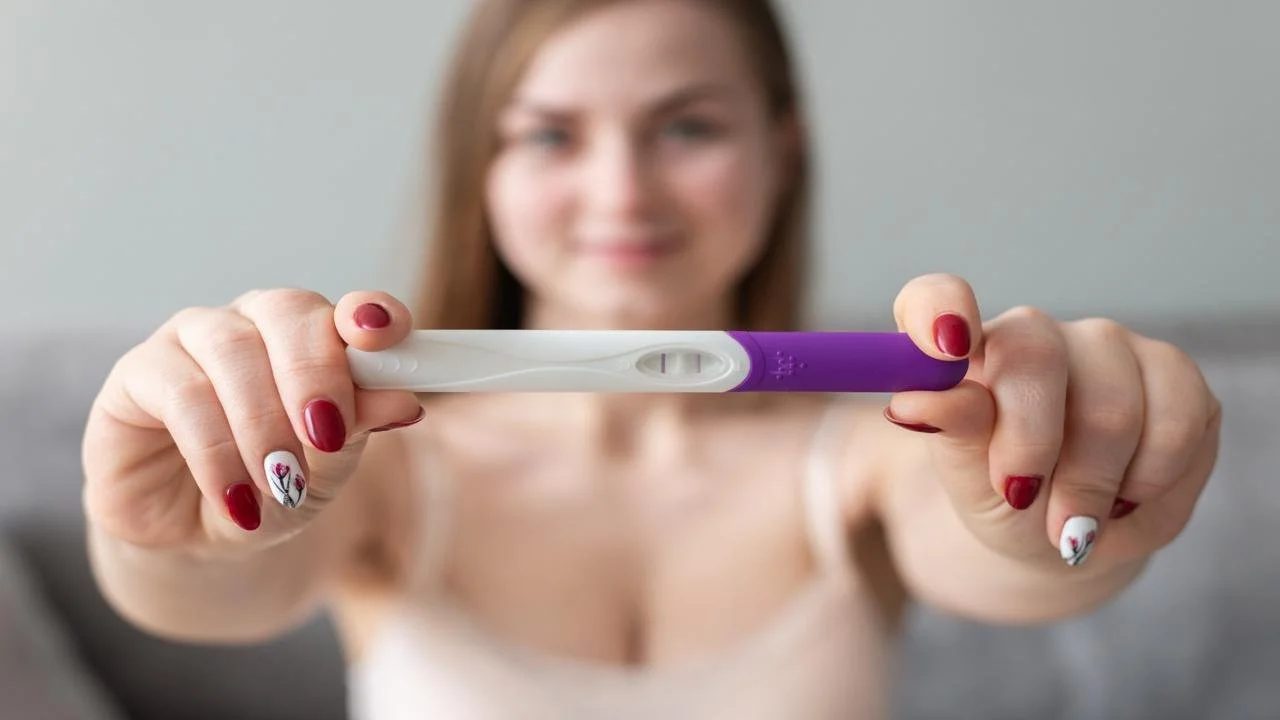
Experiencing a miscarriage can feel heavy both physically and emotionally, and it’s normal to start wondering what comes next. One of the most common questions people ask is, " How soon can you get pregnant after a miscarriage? The answer is not the same for everyone because everybody and every healing process is different.
For many people, ovulation can return as early as two weeks after a miscarriage, even before the first period comes back. If your cycle is usually regular, your next period often returns within 4 to 6 weeks. Because ovulation may happen earlier than expected, pregnancy can sometimes happen quite soon after a miscarriage, even within the first month.
In this blog, we’ll talk about how soon you can get pregnant after a miscarriage, what affects your body’s recovery, and what signs show you may be ready to try again.
What Happens to Your Body After a Miscarriage?
After a miscarriage, your body starts to return to its normal cycle. Hormone levels drop, and the uterus begins healing. This process can take days or a few weeks, depending on how far along the pregnancy is. For many people, ovulation can return quickly. Some may ovulate as soon as two weeks after a miscarriage. This means pregnancy can happen before the next period even arrives. That can surprise some people, especially if they are not expecting fertility to return so soon.
During this time, it is also common for emotional symptoms like worry, sleep trouble, or anxiety to show up, and some people notice signs similar to postpartum anxiety symptoms as the body and mind adjust after loss.
Your first period usually comes back within 4 to 6 weeks. But timing can vary. Stress, hormone changes, and overall health can all affect how quickly your cycle returns to normal. Even if the body is physically ready, emotions may still need time to catch up. It’s normal to feel unsure or hesitant during this stage.
How Soon Can You Try to Get Pregnant Again?
This is the question many people ask right away: how soon can you get pregnant after a miscarriage?
From a medical point of view, pregnancy can happen as soon as ovulation returns. That may be within 2 to 4 weeks for some people. However, readiness is not just about physical recovery. Doctors often recommend waiting a few months before trying again. More recent research shows that many people can safely try sooner if they feel ready and have no medical complications. Still, every situation is different.
What matters most is:
Your physical recovery
Your emotional readiness
Your doctor’s advice based on your health history
There is no “perfect” waiting time that fits everyone. Some feel ready quickly, while others need more time to heal emotionally.
Factors That Affect Fertility After Miscarriage
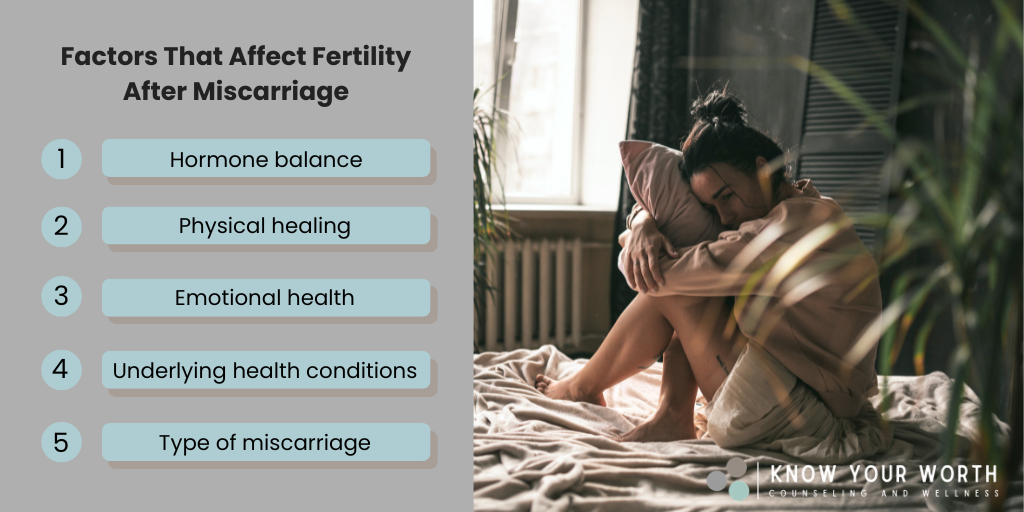
Several things can influence how soon pregnancy can happen again after a miscarriage:
1. Hormone balance
Hormones like hCG need to return to zero before ovulation resumes normally. This timing is different for everyone.
2. Physical healing
If the uterus needs extra time to recover, especially after a later miscarriage or a procedure, ovulation may take longer to return. Supporting your body through rest and balanced sleep can also help with recovery and hormone balance during this time.
3. Emotional health
Stress and emotional strain can affect your cycle. Feeling mentally ready is just as important as physical recovery.
4. Underlying health conditions
Conditions like thyroid issues, PCOS, or other hormonal imbalances can affect fertility timing.
5. Type of miscarriage
Early miscarriages often allow the body to recover faster than later ones.
Signs Your Body May Be Ready Again
It can be hard to know when your body is ready. Here are a few signs that things may be returning to normal:
Your bleeding has stopped
You notice signs of ovulation, like mild cramping or changes in discharge
Your energy levels start improving
You begin to feel emotionally steadier
Your cycle starts to regulate again
Even with these signs, it’s still helpful to check in with a healthcare provider before trying again, especially if you had complications.
Emotional Readiness Matters Too
Physical healing is only part of the process. Emotional healing takes time and can look different for everyone. Some people feel ready to try again quickly. Others may feel fear, sadness, or hesitation. All of this is normal.
It may help to:
Talk openly with a partner or support person
Give yourself space to grieve
Avoid pressure to “move on” quickly
Seek counseling if emotions feel heavy or confusing
For many people, the emotional impact of miscarriage plays a big role in how they process what happened and how they feel moving forward, especially during early recovery. There is no right or wrong timeline for emotional recovery.
Professional Support When Trying Again After a Miscarriage

Deciding when to try again after a miscarriage can feel emotional and uncertain. Some people feel ready quickly, while others need more time to process what happened. Both are completely normal. Support during this time can help you make sense of your feelings and feel steadier as you think about what comes next.
Support services that are often helpful during this stage include:
Counseling for miscarriage grief and emotional healing
Support for anxiety, fear, or overthinking about getting pregnant again
Help in understanding emotional readiness before trying to conceive
Guidance for coping with stress during recovery and future pregnancy planning
Support for navigating mixed emotions like hope, fear, and sadness
This kind of support gives space to process everything at your own pace without pressure or judgment.
Final Thought
So, how soon can you get pregnant after a miscarriage? The answer depends on both your body and your emotional readiness. For some, it can happen within a few weeks. For others, it takes more time, and that is completely okay. What matters most is listening to your body and giving yourself space to heal in your own time. If you are unsure or feeling overwhelmed, support is available, and you don’t have to go through it alone.
Support You Need After a Miscarriage
A miscarriage can bring a lot of emotions, and it’s normal to also wonder how soon you can get pregnant after a miscarriage. These thoughts often come with a mix of worry, hope, and uncertainty. At Know Your Worth Counseling, we understand how heavy this season can feel.
Reach out to us to schedule an appointment for a safe space to talk, process your emotions, and get the support you need as you move forward.
FAQs
How soon can you get pregnant after a miscarriage?
Many people can get pregnant as soon as 2 to 4 weeks after a miscarriage, since ovulation may return before the first period. However, timing varies for each person depending on physical recovery and emotional readiness.
Is it safe to get pregnant right away after a miscarriage?
In many cases, it is medically safe to try again once your body has healed and your healthcare provider gives clearance. Some doctors suggest waiting until after your first normal period, but others say it depends on your overall health.
Can you ovulate before your first period after a miscarriage?
Yes, ovulation can happen before your first period returns. This means pregnancy is possible even within the first month after a miscarriage, which is why some people may become fertile sooner than expected.
What affects how soon you can get pregnant after a miscarriage?
Factors like hormone levels, physical healing, stress, emotional readiness, and any underlying health conditions can all affect how quickly fertility returns after a miscarriage.
When should I talk to a doctor before trying again?
It’s best to talk to a doctor if you’ve had multiple miscarriages, if your cycle hasn’t returned after 6 to 8 weeks, or if you feel unsure about your physical or emotional readiness to try again.
